PV systems lose money every day – mostly unnoticed.
Yield losses, hotspots, and gradual degradation often remain invisible for years because traditional monitoring only sees average values and inverters are blind to many faults. This costs yield, compromises safety, and renders warranty and insurance claims worthless.
Profit losses happen quietly – dronalise listens.
From flight to report: dronalise is the first highly automated drone thermography system with AI, providing an efficient health check for every PV system. Our technology combines state-of-the-art thermal inspection with AI-supported photogrammetry – for precise, reproducible, and exceptionally efficient inspections.

We are developing AI-based segmentation models for the detection of PV modules and module areas.
In conjunction with a specially developed photogrammetry method, the drone can autonomously survey the system, fly it optimally, and comprehensively analyze the data.
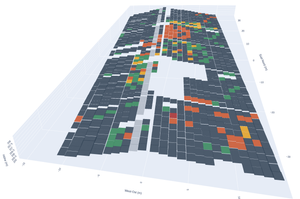
During the flight, a complete 3D model of the system and a detailed thermographic report are created – automatically, quickly, and reproducibly at any time.
This enables particularly efficient and cost-effective condition analysis as well as reliable comparability during recurring inspections.
We combine state-of-the-art computer vision with automated workflows and professional flight experience to get the most out of your thermographic data.
DATA ANALYSIS
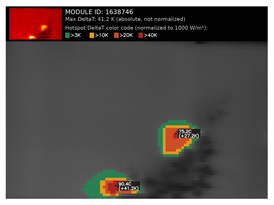
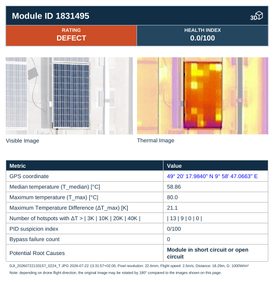
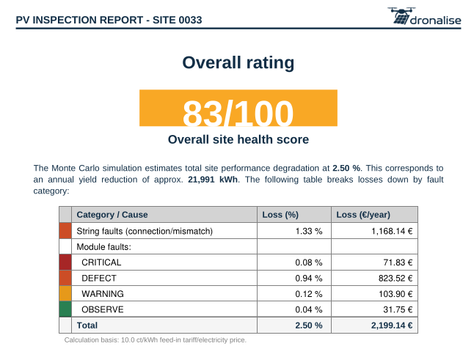
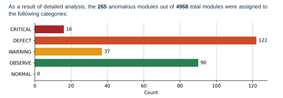
You fly a standard DJI area route – we take care of the rest. From your raw data, we automatically create an interactive 3D model and detailed, module-accurate thermographic reports, including yield simulation. Highly efficient, AI-supported, precise, and extremely cost-effective.
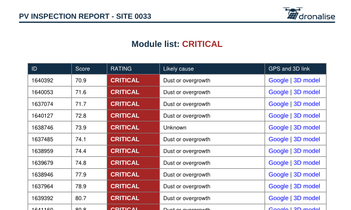
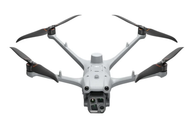
You sit back and relax, we'll take the controls. From professional flight planning and obtaining all necessary permits to precisely surveying the PV system and delivering the final analysis: you receive the complete report turnkey from a single source.
FULL-SERVICE INSPECTION
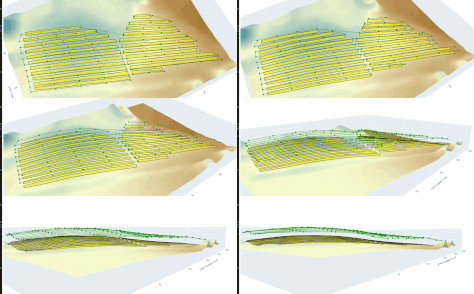
INTELLIGENTE FLIGHT PATH GENERATION (coming soon)
To eliminate manual planning errors or gaps in the flight plan from the outset, we are currently working on automated, AI-supported flight path optimization. This ensures a perfectly coordinated flight over every facility.
FAQ
Photovoltaic systems are generally very low-maintenance and often run smoothly for many years. Nevertheless, there can be various reasons why a system might not operate optimally and produce less electricity than expected.
Thermography – an inspection using infrared thermal imaging – allows for the reliable detection of faults in modules or electrical wiring.
The unique aspect of this method is that each fault exhibits a characteristic pattern in the thermal image. This often enables the identification of the cause and potential solutions during the inspection itself.
Faults in PV modules, in the system wiring, or external influences such as soiling or shading lead to uneven current flows. These manifest as noticeable temperature differences in the thermal image.
Typical causes for underperformance include, for example:
Cell or contact breaks within a PV module
Poor or corroded electrical connections on modules or junction boxes
Detachments or discoloration of the lamination that protects the cells
Chemical degradation due to moisture, stray currents or UV exposure
Faulty or improper wiring of module series
Thermography not only enables the detection of defects but also a quantitative assessment of their severity. Furthermore, potential safety risks, such as an increased fire hazard,can be identified early on.
Thermography is particularly useful in the following situations:
If you have the impression that your PV system is producing less electricity than expected
To check that the correct function is being used, e.g. after commissioning a new system.
For older systems, to decide on continued operation, repair or replacement.
To clarify whether a possible warranty claim exists.
Regular inspections help to detect performance losses early and to secure the long-term yield of your PV system.
If you have any questions about our service or would like us to analyze your drone flight data, please use the form on the right.
We will gladly answer your questions or accommodate individual requests.


